
Essays
Long-form writing on power, innovation, history and the ideas that shape our world.
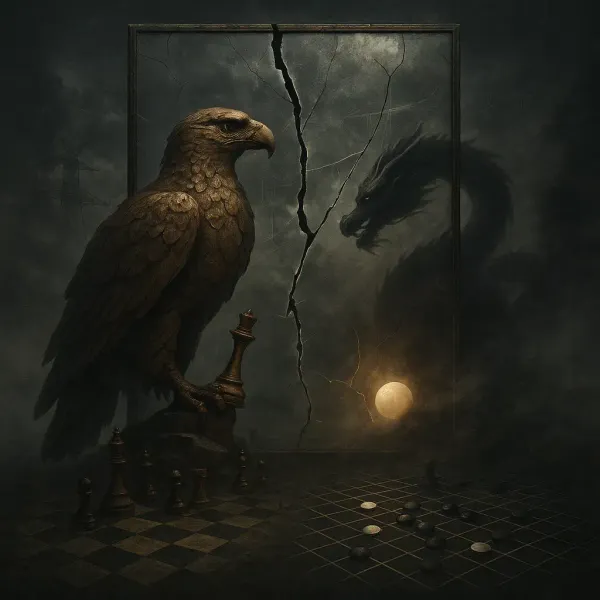
The Mirror and the Maze: America's Fatal Misread of China
Washington doesn’t understand China. Not now. Not ever. Not really.
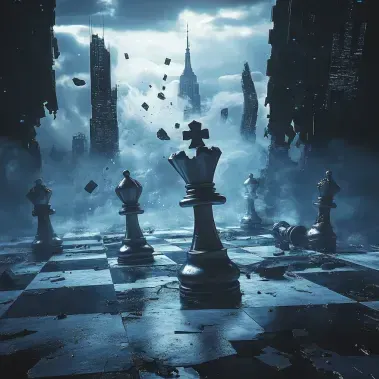
The King's Gambit Betrayed: Chess and the Death of Strategic Imagination
Today, as the Western world stumbles through a fog of strategic confusion, it is no longer clear whether it even recognises the game it once reshaped.
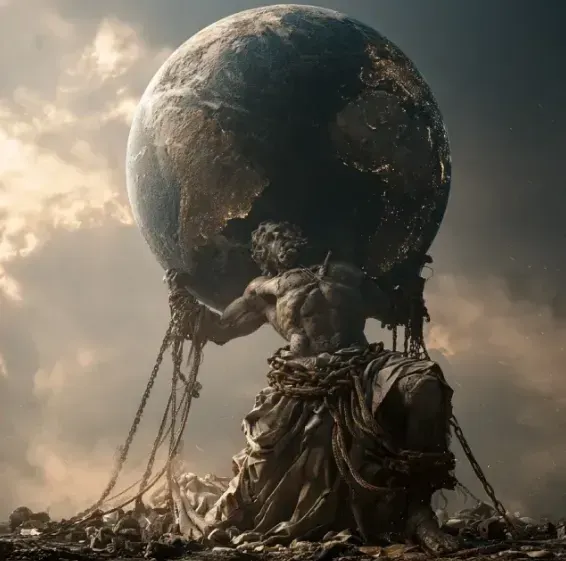
Who Is John Galt?
On Atlas, the heavens he was condemned to carry, and a civilisation that has confused the world with the sky.

Biopreparat & The Soviet Biowar Mindset
In the cold sterility of Soviet laboratories from the 1950s through the late 1980s, a hidden war festered. Its front lines weren’t defined by trenches or missiles, but by microscopes, Petri dishes.
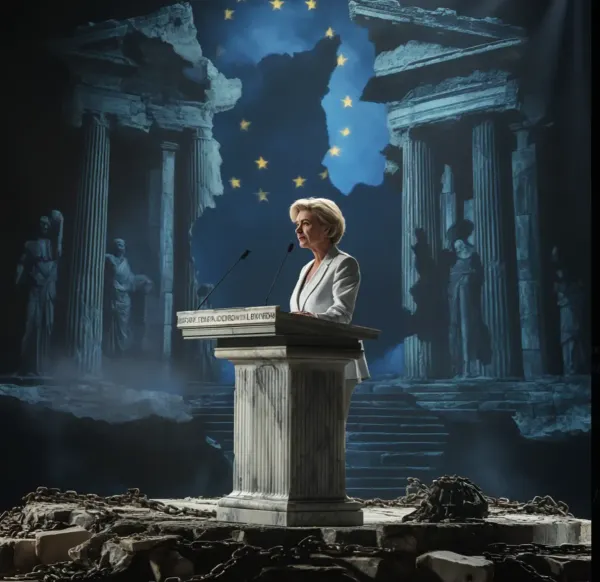
🇪🇺 THE THEATRE OF RE-ARMAMENT: HOW EUROPE’S POLITICAL CLASS MISTAKES ANNOUNCEMENTS FOR STRATEGY
Plato warned us. When governance falls to those more skilled in appearances than in truth, the city is already on the road to ruin. Europe, today, still has a choice. But it will not have that choice forever.
Endless Frontier, Edited Forward
The most cited document in the history of American science policy is also the one we have most reliably misread.
The Saturation Trap: How Information Abundance Broke Discernment
Empirical research drawing on nationally representative linguistic data in the United States reveals that, after controlling for educational attainment, adult vocabulary scores have declined steadily since the mid-1970s

The Narrative Industrial Complex: Manufacturing Belief in the Age of Strategic Illusion
How narratives shape our understanding of power, risk and reality.
Sky Lords: Technocracy, Cloud Seeding, and the Quiet Coup Over Nature
The government had decided that weather — the last great uncontrollable — was now fair game for precision management. The sky, once the realm of gods and poets, had become another spreadsheet in a Whitehall office.
"To understand the future, we must first understand the ideas that made the present possible."