
Notes
Short reflections, observations and updates from the EDO team.
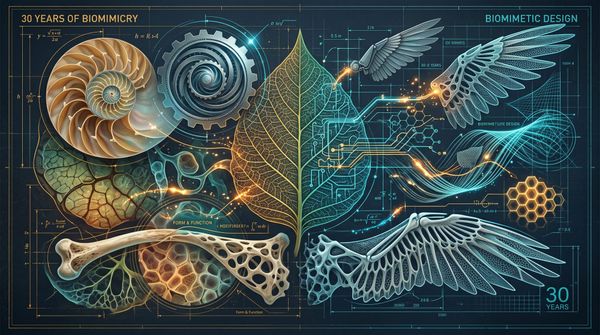
Borrowed Geometry
What thirty years of biomimetic disappointment can teach us about reading the field’s genuine crossings
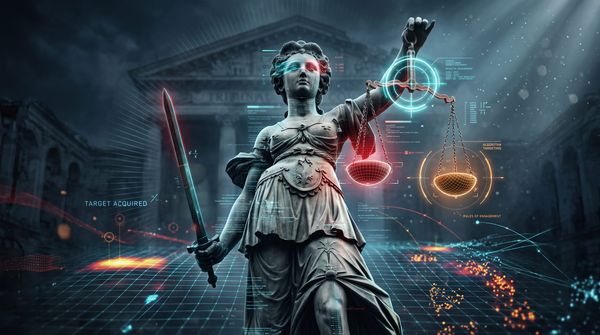
The Targeting Question
Autonomous weapon systems trouble every one of those assumptions, not by breaking the rules but by removing the human from the moment the rules were designed to govern.

Where the Brains Went
Where a country’s best researchers choose to work is one of the more reliable leading indicators of where its capability will be in a decade — more reliable, often, than its defence budget or its diplomatic posture.
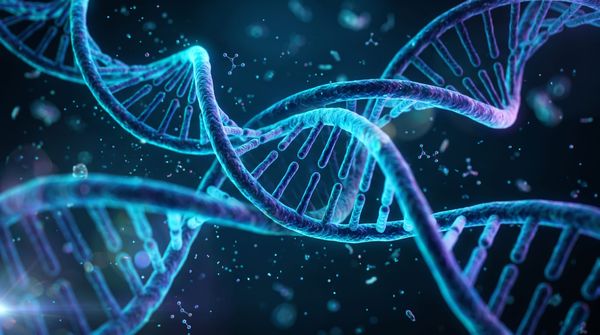
DNA as Substrate
In a laboratory at Harvard’s Wyss Institute, the geneticist George Church...took his own book — Regenesis, fifty-three thousand words, eleven images and a short JavaScript program, 5.27 megabits in all — and wrote it not to a disk but to DNA.

The Compute Map
Compute is the axis along which that divergence is now most visible, most measurable, and most contested. The ability to train a frontier artificial-intelligence model is not evenly distributed across the world; it is concentrated in a small number of physical chokepoints.
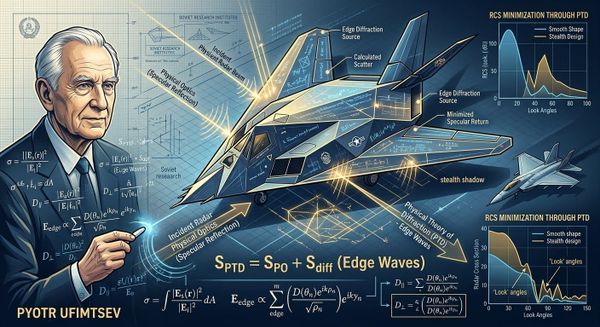
The Soviet Equation
In 1962, the Soviet state publishing house Soviet Radio released a slim monograph by a physicist named Pyotr Ufimtsev: Method of Edge Waves in the Physical Theory of Diffraction.

📘 Book Review: Gods and Robots: Myths, Machines, and Ancient Dreams of Technology by Adrienne Mayor
Mayor’s Gods and Robots is a blistering reminder that our obsession with artificial intelligence, automation, and bioengineering is not the product of a rational age—but the reawakening of a mythical one.
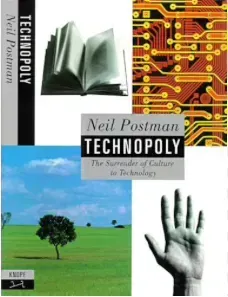
📘 Book Review "Technopoly: The Surrender of Culture to Technology" by Neil Postman
Published in 1992 — the same year as Appleyard’s Understanding the Present — Technopoly is its American cousin. Where Appleyard exposed science as a new metaphysics, Postman maps how technology became the dominant religion of the modern West.
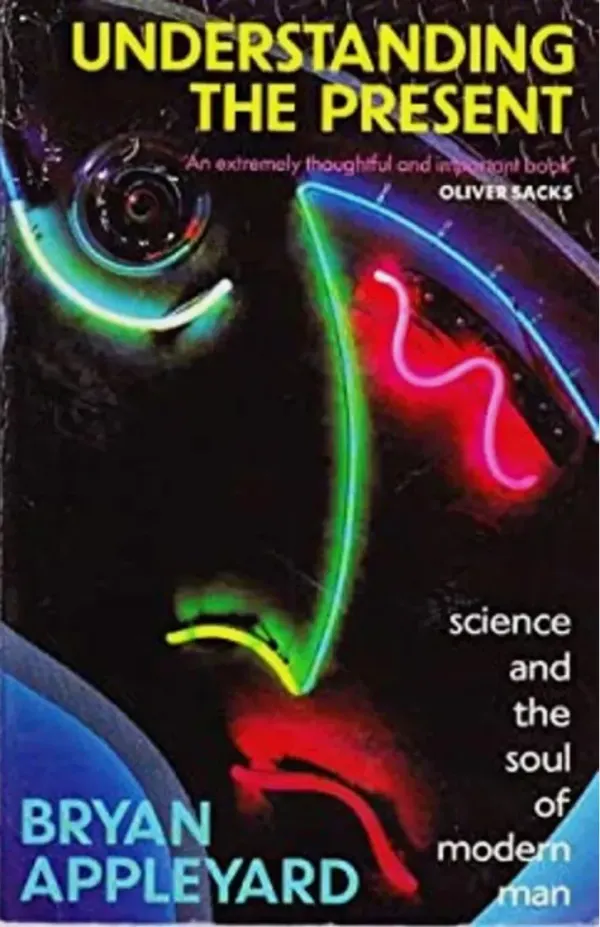
📘 Book Review: Understanding the Present by Bryan Appleyard
In Understanding the Present, Bryan Appleyard exposes what few in mainstream discourse have had the courage to admit: that science, once framed as the antidote to superstition, has quietly become a new kind of orthodoxy.
"To understand the future, we must first understand the ideas that made the present possible."